
News
Alumni Stories
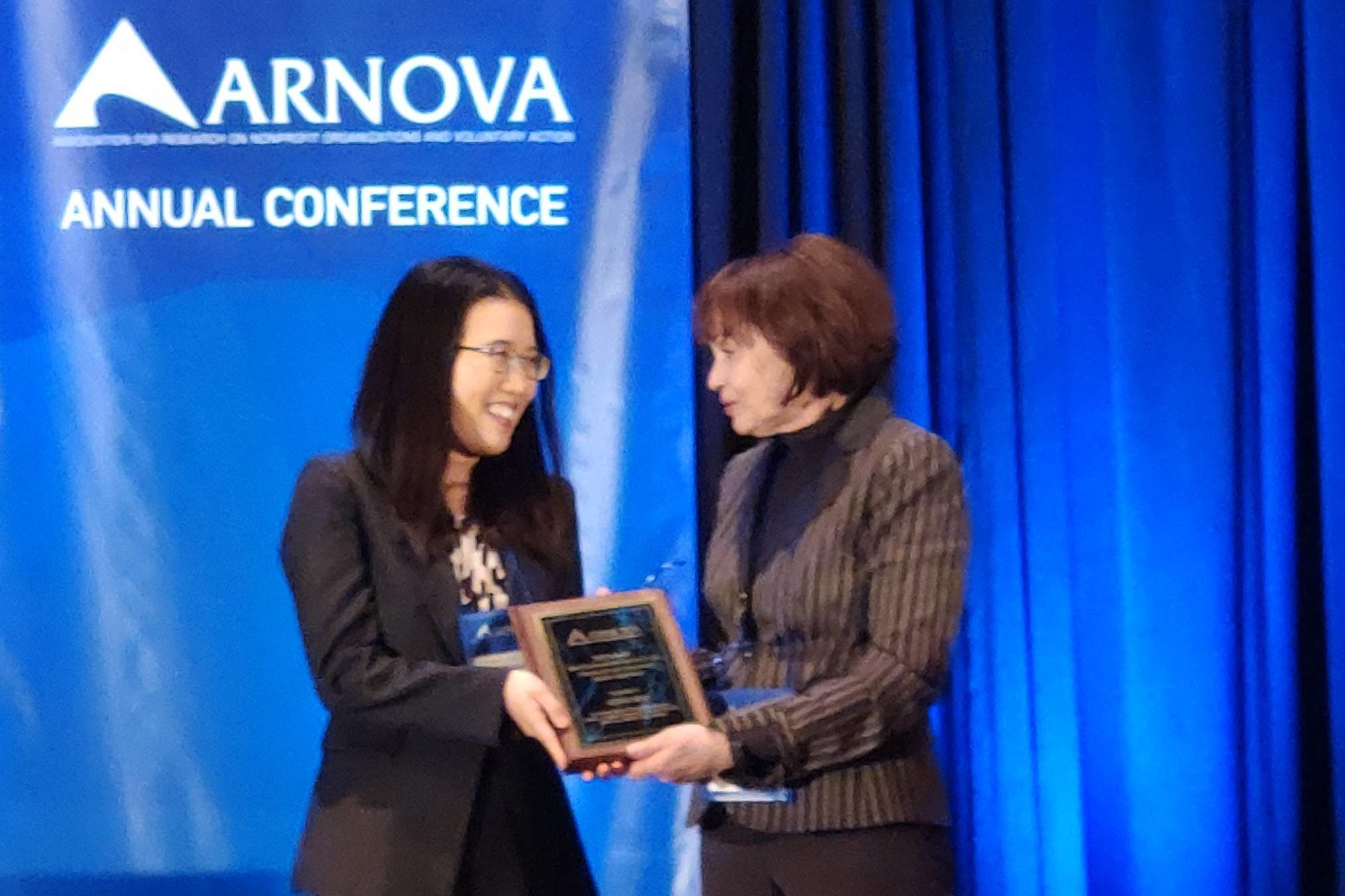
CSIS Alum Mirae Kim Receives an Award for Oustanding Article
Mirae Kim, a 2013 participant in Dr. Frumkin’s summer Doctoral Fellows Program, was recently named a recipient of the award for Outstanding Article in Nonprofit and Volunteer Sector Quarterly (NVSQ) for her paper “The Relationship of Nonprofits’ Financial Health to Program Outcomes: Empirical Evidence from Nonprofit Arts Organizations.”
December 19, 2018

Alumni Stories
The Vision: Gray Garmon and Shadrack Frimpong on Culturally Sensitive Design
In the summer of 2015, Shadrack Frimpong, then a recent graduate of the University of Pennsylvania with a dream of making education and healthcare more accessible in his hometown, participated in CSIS’s Social Impact House; that same year, Gray Garmon, a designer with a background in socially conscious design projects, was an instructor there. Frimpong was getting ready to open an organization in the farming community of Tarkwa Breman, Ghana, and Garmon stepped in to provide design guidance. They shared what their experience–and collaboration–has been like.
December 13, 2018
Alumni Stories
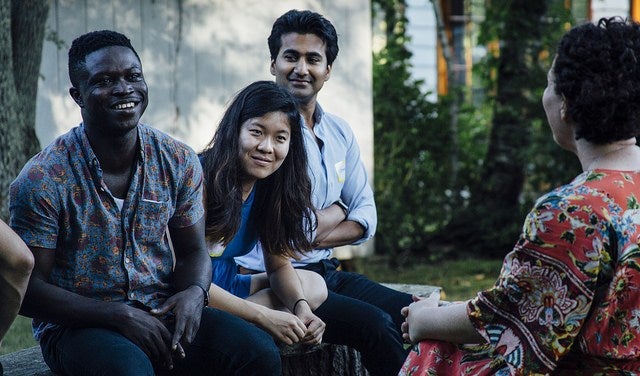
The Innovation Point: Shadrack Frimpong on Education and Healthcare in Ghana
We interviewed two of our alumni, Gray Garmon and Shadrack Frimpong, about what they learned from the Social Impact House and what they’re working on now. This is part of a three-part series on Garmon, Frimpong, and their collaboration. This article focuses on Shadrack Frimpong.
December 6, 2018
Alumni Stories
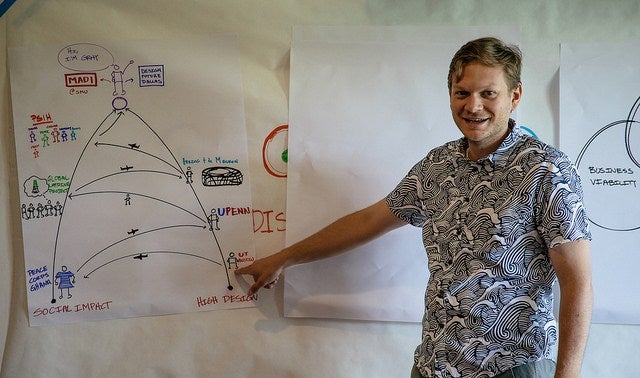
The Pivot Moment: Gray Garmon on Design for Social Impact
We interviewed two of our alumni, Gray Garmon and Shadrack Frimpong, about what they learned from the Social Impact House and what they’re working on now. This is part of a three-part series on Garmon, Frimpong, and their collaboration; this article focuses on Gray Garmon.
November 27, 2018
Alumni Stories
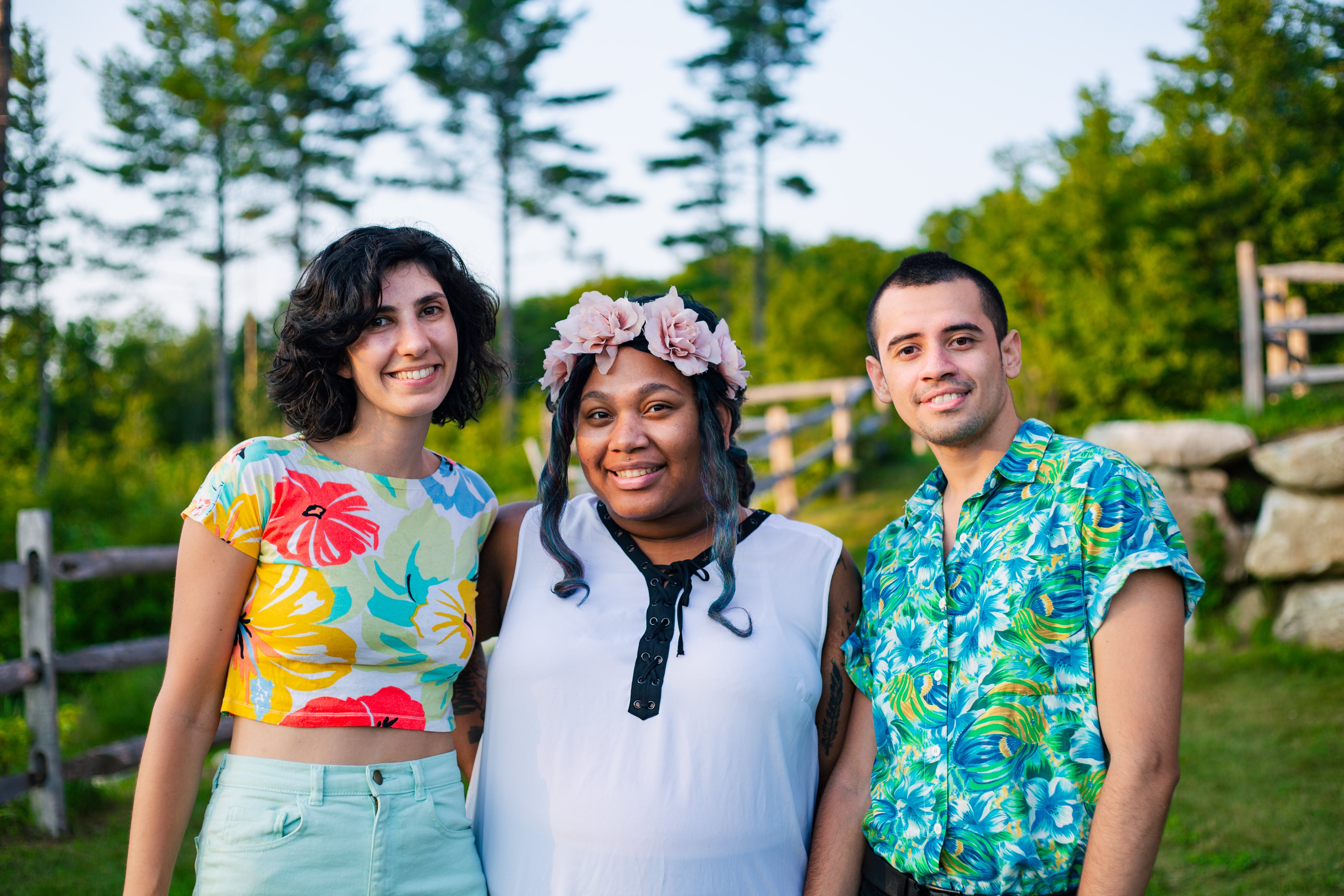
Behind the Lens: Interview with Kira Simon-Kennedy
Kira Simon-Kennedy participated in our Executive Program in 2015 and our Impact+ House in 2018. She talked to us about China Residencies, the organization she founded; “Commodity City,” the documentary she produced; and her thoughts about using art to work towards social change.
November 13, 2018
Alumni Stories
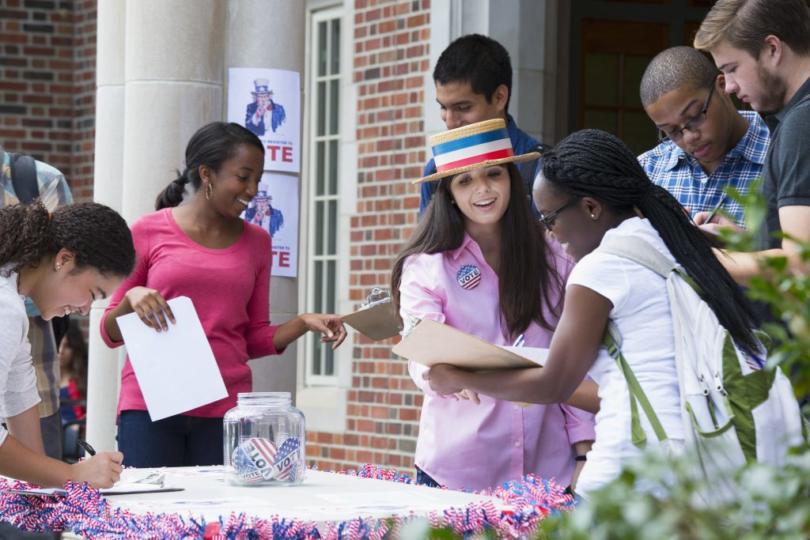
Run for Something: A 2018 Election Day Exclusive with Seisei Tatebe-Goddu
As US voters head to the polls this election day, CSIS brings you an interview with Penn Social Impact House alumna Seisei Tatebe-Goddu, Chief Operating Officer of Run for Something.
November 6, 2018

Programs & Research
Q&A with Susan Sorenson: Executive Program in “Ending Violence & Abuse in Relationships”
The Center for Social Impact Strategy and the Ortner Center on Violence and Abuse in Relationships recently partnered to offer the Executive Program in Social Impact Strategy: Ending Violence & Abuse in Relationships launching in January, 2019. CSIS sat down with Dr. Susan B. Sorenson (Executive Director, Ortner Center) to discuss the program.
October 31, 2018
Alumni Stories, Programs & Research
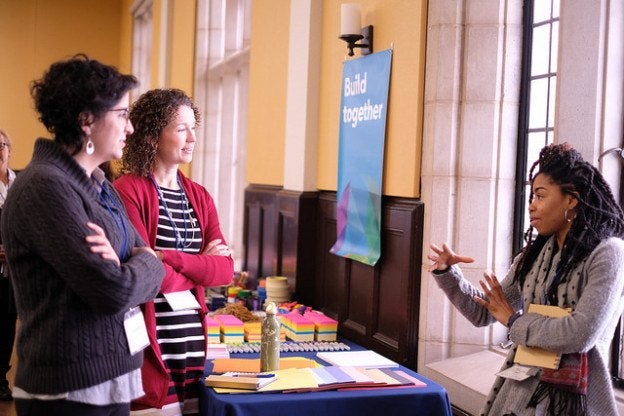
Leading with Values – with Jordan Muse
In 2018, Jordan Muse (Executive Program in Social Impact Strategy, Class of 2017) worked as a Community Fellow with the Center for Social Impact Strategy. Here, she offers a reflection on what she learned from the program, alongside her experience at the 2018 CSIS Alumni Summit.
October 3, 2018

Alumni Stories, Programs & Research
Recap: 2018 Alumni Summit
This year, CSIS celebrated 892 CSIS Alumni: 375 participants in our residential Impact Houses, and 517 graduates of the Executive Program in Social Impact Strategy and our partner program in Arts Strategy. 105 alumni attended this year’s summit.
September 13, 2018
Alumni Stories
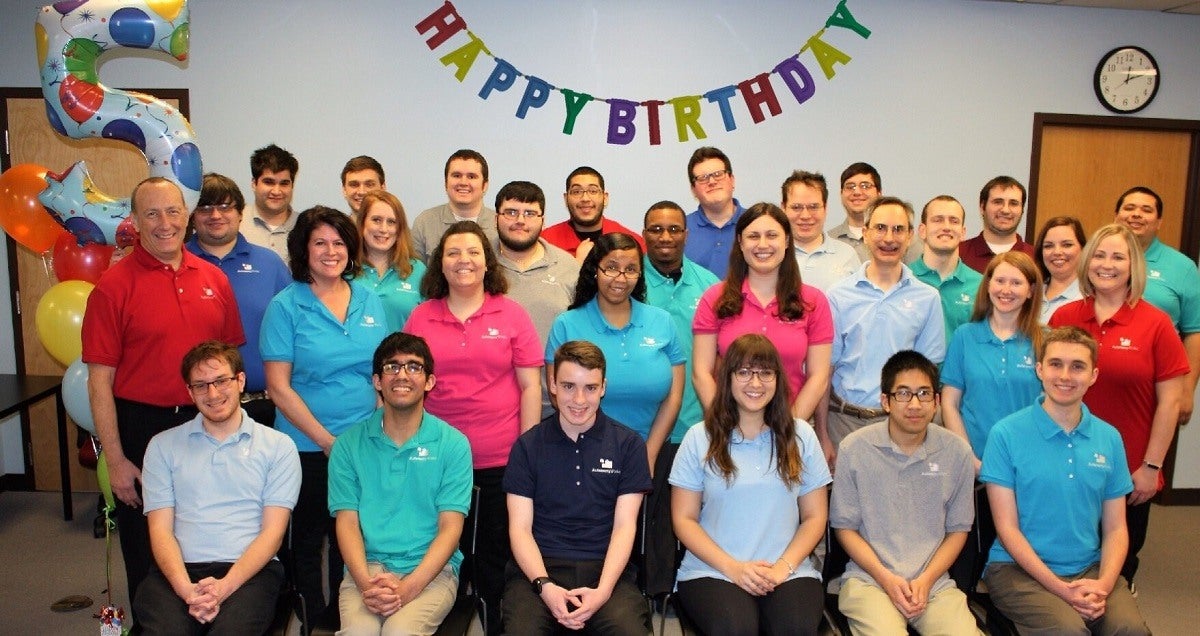
Autonomy Works – with Karrie Pece
This blog post is brought to you by CSIS alumna Karrie Pece, Executive Program in Social Impact Strategy 2017. Karrie and the organization she works for – Automony Works – were recently profiled in CSIS Studios. Take a look, and hear what Karrie has to say (below) about her journey.
September 4, 2018